How Expert Wound Care Can Improve Healing Outcomes
A wound may begin with a simple injury, surgical incision, pressure point, or chronic health condition, but its path to healing is rarely simple. Every wound has its own underlying causes, risks, and requirements. While minor cuts and scrapes can often heal with basic care at home, more complex wounds demand expertise that goes beyond applying a dressing and waiting for improvement.
Expert wound care brings clinical knowledge, careful monitoring, advanced treatments, and individualized planning together to support the body’s natural healing process. It can help reduce complications, improve comfort, preserve mobility, and help people return to daily routines with greater confidence.
Understanding Why Wounds Do Not Always Heal as Expected
The body is designed to repair damaged tissue through a coordinated healing process. In an ideal situation, a wound moves through several overlapping stages: bleeding is controlled, inflammation helps clear damaged tissue, new tissue develops, and the skin gradually strengthens.
However, many factors can interrupt or delay that process. A wound may remain open, become infected, worsen over time, or heal in a way that causes lasting discomfort or limited movement.
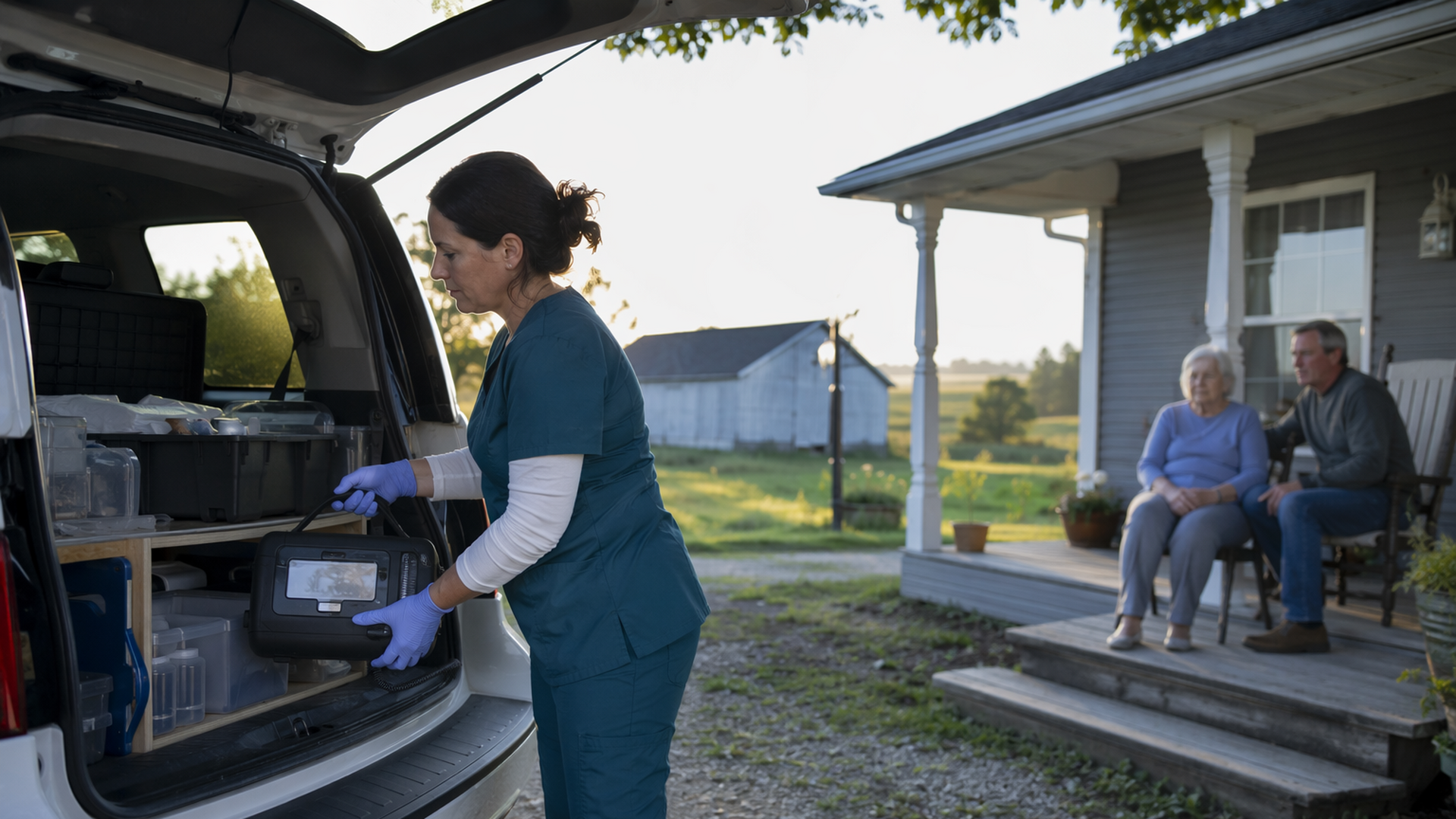
A comprehensive evaluation can reveal when a wound needs specialized management rather than routine home care alone. Through Inspiring Minds Wound Care, patients can access in-home clinical wound assessments and individualized treatment plans for chronic or complex wounds.
Health Conditions Can Slow the Healing Process
Chronic conditions often influence circulation, immune response, sensation, and tissue repair. Diabetes, vascular disease, kidney disease, autoimmune conditions, and nutritional deficiencies can all make it more difficult for the body to heal effectively.
For example, reduced blood flow can limit the oxygen and nutrients reaching the wound. In people with diabetes, nerve damage may also make it harder to notice a developing sore, blister, or injury before it becomes more serious.
Pressure, Friction, and Repeated Trauma Can Prevent Progress
Some wounds do not heal because the affected area continues to experience pressure or irritation. This is particularly common with pressure injuries, diabetic foot ulcers, and wounds on weight-bearing areas of the body.
Without identifying and addressing the source of pressure, even an otherwise well-treated wound may fail to improve. Expert care considers not only the wound itself, but also everyday movements, footwear, support surfaces, and habits that may affect recovery.
Infection Can Create Serious Setbacks
A wound infection can interfere with healing, increase pain, damage surrounding tissue, and lead to more serious health complications if left untreated. Signs may include increasing redness, warmth, drainage, odor, swelling, fever, or worsening discomfort.
Prompt assessment by a wound care professional can help identify possible infection early and determine appropriate next steps. This may include specialized cleansing, cultures when clinically indicated, coordination of prescribed medications, drainage management, or changes to the treatment plan.
The Value of an Expert Wound Assessment
One of the most important advantages of professional wound care is a thorough assessment. Successful treatment begins with understanding what caused the wound, how long it has been present, whether it is changing, and what barriers may be preventing healing.
An expert evaluation looks beyond surface appearance. Wound care specialists assess wound depth, tissue quality, drainage, signs of infection, circulation, sensation, pain level, and the condition of the skin around the wound.
Identifying the Type of Wound
Different wounds require different approaches. A surgical wound, venous leg ulcer, arterial ulcer, diabetic foot ulcer, traumatic injury, burn, or pressure injury cannot be managed with a one-size-fits-all plan.
Determining the wound type helps guide the treatment strategy. For instance, compression therapy may be valuable for certain venous ulcers but inappropriate for someone with significantly impaired arterial circulation. A wound specialist can help ensure that treatment supports healing rather than unintentionally creating additional risk.
Addressing the Cause, Not Only the Symptoms
Covering a wound may protect it, but healing often depends on treating the underlying issue. Expert wound care focuses on identifying why the wound developed and what must change for recovery to continue.
This may involve improving circulation management, reducing pressure, controlling swelling, reviewing medications, supporting blood sugar management, or coordinating care with other healthcare providers. When the root cause is addressed, the likelihood of long-term healing may improve.
Advanced Treatments That Support Better Healing
Modern wound care combines clinical experience with specialized therapies designed to create the best possible conditions for tissue repair. The right treatment depends on the wound’s location, severity, moisture level, tissue type, and underlying cause.
Specialized Dressings for the Right Healing Environment
Dressings do much more than cover a wound. They can help manage drainage, maintain appropriate moisture, protect fragile tissue, and support the development of healthy new skin.
A wound that is too dry may struggle to form new tissue, while one that is overly wet may experience skin breakdown around the edges. Professional guidance helps ensure that dressings are selected and changed according to the wound’s changing needs.
Debridement to Remove Barriers to Recovery
Some wounds contain dead, damaged, or infected tissue that prevents healthy tissue from growing. Debridement is the process of removing nonviable tissue so the wound can progress.
Depending on the situation, debridement may be performed through specialized dressings, mechanical methods, enzymatic treatments, or clinical procedures. Proper debridement can improve wound-bed quality and support the body’s repair process.
Compression and Offloading Strategies
For wounds related to swelling or venous circulation problems, compression therapy may be an essential part of treatment when clinically appropriate. It can help reduce edema and support healing in patients with adequate arterial circulation.
For diabetic foot wounds and pressure-related injuries, offloading is often equally important. This means reducing or redistributing pressure away from the affected area through specialized footwear, inserts, boots, cushions, or support surfaces. Consistent offloading can make a meaningful difference in healing progress.
Negative Pressure Wound Therapy and Other Advanced Options
Some complex wounds may benefit from negative pressure wound therapy, which uses controlled suction to help manage wound fluid and promote granulation tissue formation.
Other advanced approaches may include antimicrobial therapies, biologic dressings, skin substitutes, hyperbaric oxygen therapy, or vascular interventions. These treatments are not necessary for every wound, but expert evaluation helps determine when they may be clinically appropriate.
Preventing Complications Before They Become More Serious
Early intervention is one of the strongest advantages of expert wound care. A wound that seems manageable can sometimes deteriorate quickly, especially when circulation is poor, sensation is reduced, or infection is developing.
Regular clinical monitoring makes it possible to recognize concerning changes and adjust treatment before complications escalate.
Reducing the Risk of Infection
Professional wound care emphasizes proper cleansing, dressing selection, infection monitoring, and patient education. It also helps distinguish between normal healing changes and warning signs that require medical attention.
This is especially important for individuals with diabetes, compromised immune systems, limited mobility, or a history of chronic wounds.
Helping Avoid Hospitalization and More Invasive Treatment
When wounds are left untreated or managed inadequately, they may become severe enough to require emergency treatment, surgery, or hospitalization. In some cases, untreated infection or tissue damage can create a risk of limb-threatening complications.
Timely wound care can help reduce these risks through structured treatment, frequent reassessment, and coordination with primary care providers, surgeons, vascular specialists, podiatrists, and other members of the healthcare team.
Supporting Comfort, Mobility, and Quality of Life
Wounds can affect far more than physical health. Persistent pain, drainage, odor, difficulty walking, sleep disruption, and concern about infection can make everyday life challenging. They may also create emotional strain, particularly when a wound has persisted for weeks or months.
Expert wound care is designed to support the whole person, not only the injury.
Improving Pain and Symptom Management
Pain should not be dismissed as an unavoidable part of healing. While some discomfort may occur, worsening or persistent pain can indicate that a wound needs closer evaluation.
A skilled wound care team can help identify factors contributing to pain, such as infection, pressure, dressing-related irritation, swelling, or exposed tissue. Adjusting the care plan can improve comfort while protecting the healing process.
Restoring Confidence in Daily Activities
For many people, a chronic or complex wound can make work, exercise, travel, and social activity feel difficult or uncertain. Individualized treatment plans can help patients better understand what activities are safe, what precautions to take, and how to protect the affected area at home.
As the wound improves, patients may regain a greater sense of independence and confidence.
The Importance of Patient Education in Long-Term Healing
The most effective wound care extends beyond clinic visits. Patients and caregivers need clear, practical guidance on how to care for the wound, recognize concerns, and prevent recurrence.
Education can include dressing instructions, bathing guidance, nutrition recommendations, blood sugar support, pressure-relief techniques, signs of infection, and when to contact a healthcare provider.
Nutrition Plays a Meaningful Role
Healing requires energy, protein, vitamins, minerals, and adequate hydration. Poor nutrition can slow tissue repair and weaken immune function.
A wound care professional may recommend increasing protein intake, maintaining hydration, or speaking with a registered dietitian when nutritional needs are more complex. The Academy of Nutrition and Dietetics explains how adequate calories, protein, fluids, vitamins, and minerals can support wound healing.
Consistency Is Essential
Wound healing is often not linear. Progress can take time, and treatment plans may need to evolve as the wound changes. Following care instructions consistently, attending scheduled appointments, and addressing new symptoms promptly can make a meaningful difference in outcomes.
Expert support provides accountability and reassurance throughout this process.
When to Seek Expert Wound Care
It is important to seek professional evaluation for wounds that are not improving, are becoming more painful, show signs of infection, or occur in people with health conditions that increase healing risks.
Consider expert wound care if a wound:
- Has not improved within a reasonable period of time
- Is deep, large, or producing significant drainage
- Shows redness, swelling, warmth, odor, or pus-like drainage
- Causes increasing pain or discomfort
- Develops after surgery and begins opening or changing unexpectedly
- Occurs on the foot, particularly for someone with diabetes
- Is associated with poor circulation, swelling, or limited mobility
- Results from prolonged pressure or repeated friction
- Has returned after previously healing
A More Personalized Path to Recovery
Every wound tells a clinical story. Its location, appearance, duration, underlying cause, and response to treatment all offer important information. Expert wound care translates that information into a targeted plan built around the patient’s health, lifestyle, and recovery goals.
Rather than relying on trial and error, specialized care provides a structured approach to promoting healing, preventing setbacks, and protecting long-term health. With timely assessment, appropriate treatment options, and consistent support, many patients can experience better healing outcomes and a more comfortable path forward.
